EV charger and heat-pump requests are coming. Council needs a building-wide plan that is fair to everyone.
Mesh separates the shared electrical layer from individual owner-added loads, giving B.C. strata councils a repeatable way to respond to EV charger, heat-pump, and future electrical-load requests. Council approves the service entrance controller once; owners add approved equipment when they are ready.
How it works for your building
We assess your building
A VTeng technician visits your electrical room and parking structure. Within a week you have a written report: what's possible, what it costs, and what the council needs to vote on.
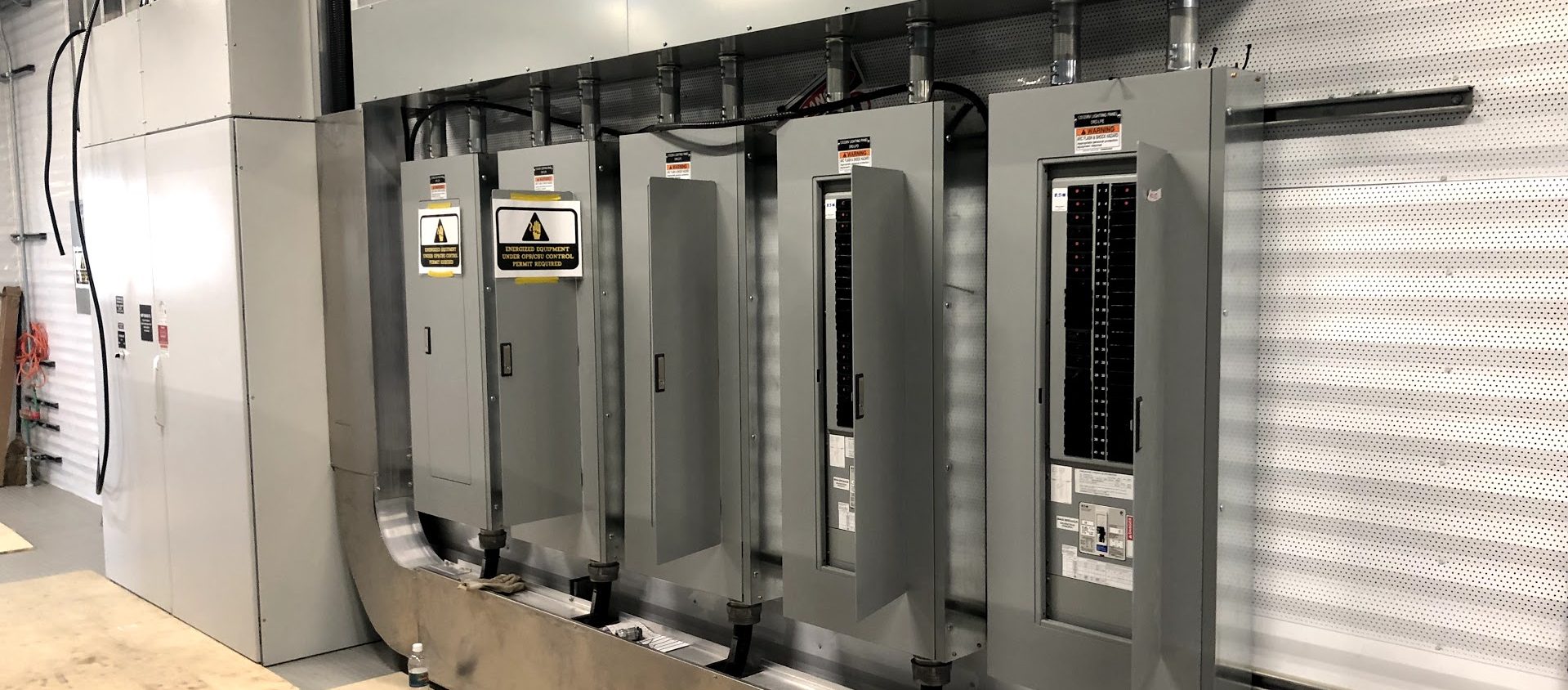
One Mesh Core installs in your electrical room
The Core monitors your building's electrical service and manages approved downstream loads. One licensed electrician, typically one day, no trenching, no service upgrade.
Owners add a Mesh Leaf when they're ready
Each owner who wants an EV charger, heat pump, or other approved managed load contracts their own electrician to install a Mesh Leaf. The system automatically manages each added load within the commissioned limits. No further council action required.
Approve the building layer once. Owners opt in later.
The strata owns the Core as common infrastructure. Individual owners install Leaf units for approved EV chargers, heat pumps, or other managed loads only when they need them, with demand coordinated inside the building limit.
If radio communication is lost, each Leaf falls back to a conservative configured charging current instead of allowing unmanaged load.
CTs measure aggregate demand at the service entrance
Calculates available managed-load capacity from the approved load envelope
Receives local radio commands at each participating load
Local output is adjusted; owner equipment operates within commissioned limits
Working with a property manager? We provide the technical and cost package council needs to evaluate owner requests, while your PM or strata lawyer confirms the approval threshold and resolution wording.
What this costs the strata
The strata pays for the Core — a one-time capital expense that goes to a vote like any other. Individual Leaf units are paid by each owner, not the strata.
No monthly subscription. No per-charge fees charged to the strata. Optional monitoring plan available — see Pricing.
What council receives after assessment
Electrification incentives change over time and depend on the building, province, and project scope. We help council identify current provincial and utility program requirements before final numbers go to owners. Ask us what to check first →
Why Mesh — not a service upgrade
Mesh vs. the alternatives
| Mesh | Service upgrade | Do nothing | |
|---|---|---|---|
| Council vote required | Yes — one-time | Yes — major capital project | No |
| Disruption to building | One day in electrical room | Weeks of trenching and construction | None |
| Typical cost | Site-specific Core quote | $500,000+ for larger service upgrades | $0 now |
| Owners can add chargers | Yes, on their own schedule | Yes, after upgrade completes | No |
| Utility service upgrade path | Usually avoided for suitable buildings | Usually required | Deferred |
| Risk to strata | Low — fixed cost, proven system | High — cost overruns common | Growing — owner requests still need a response |
Where Mesh tends to fit
See case studies →Private stalls, shared upstream capacity
A service entrance controller can supervise the shared electrical bottleneck while each owner installs a townhouse or stall controller only when they need charging.
Review application fit →When trenching or new communications wiring is the blocker
Long-range mesh radio can reduce communications wiring and parkade disruption compared with hardwired load-management networks.
See how the architecture works →What councils ask us most
Can council just refuse EV charger requests?
What vote threshold do we need?
What happens if the Core loses power or fails?
Who maintains the system after installation?
What if an owner never installs a Leaf — do they pay for others' charging?
Can we expand later if more owners want chargers?
Review your building for managed loads
Tell us about your complex and we'll come back with a straight answer — what's possible, what it costs, what you'd vote on.
Sends the building details to VT Engineering. We'll respond within one business day.