MESH by VT

Real buildings first. Fit patterns second.

Mesh is not a generic charger network. The strongest projects have shared electrical limits, owner-by-owner demand, and a council that needs a vote-ready path.

What proof should answer

What was constrained, what was installed, what work was avoided, and what council could take to owners.

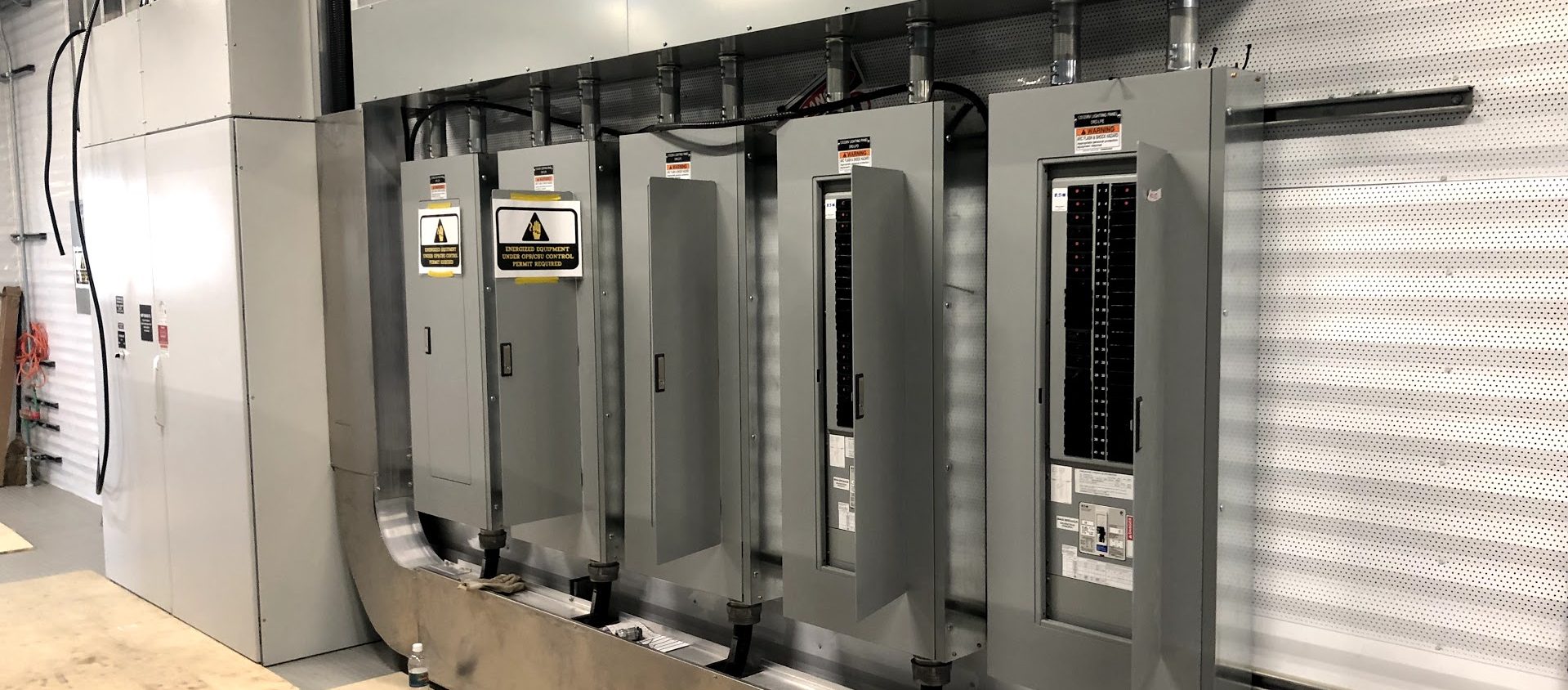
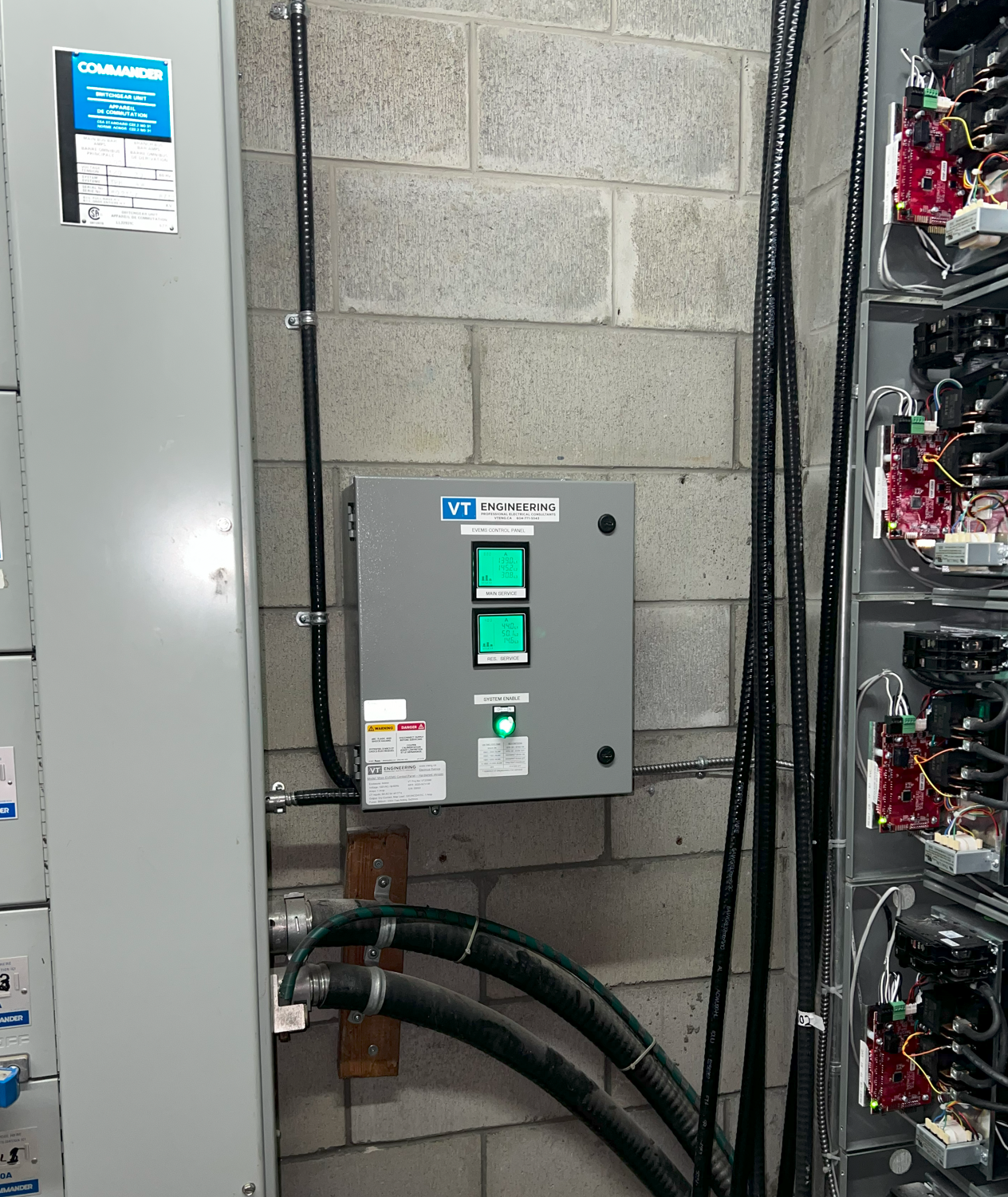
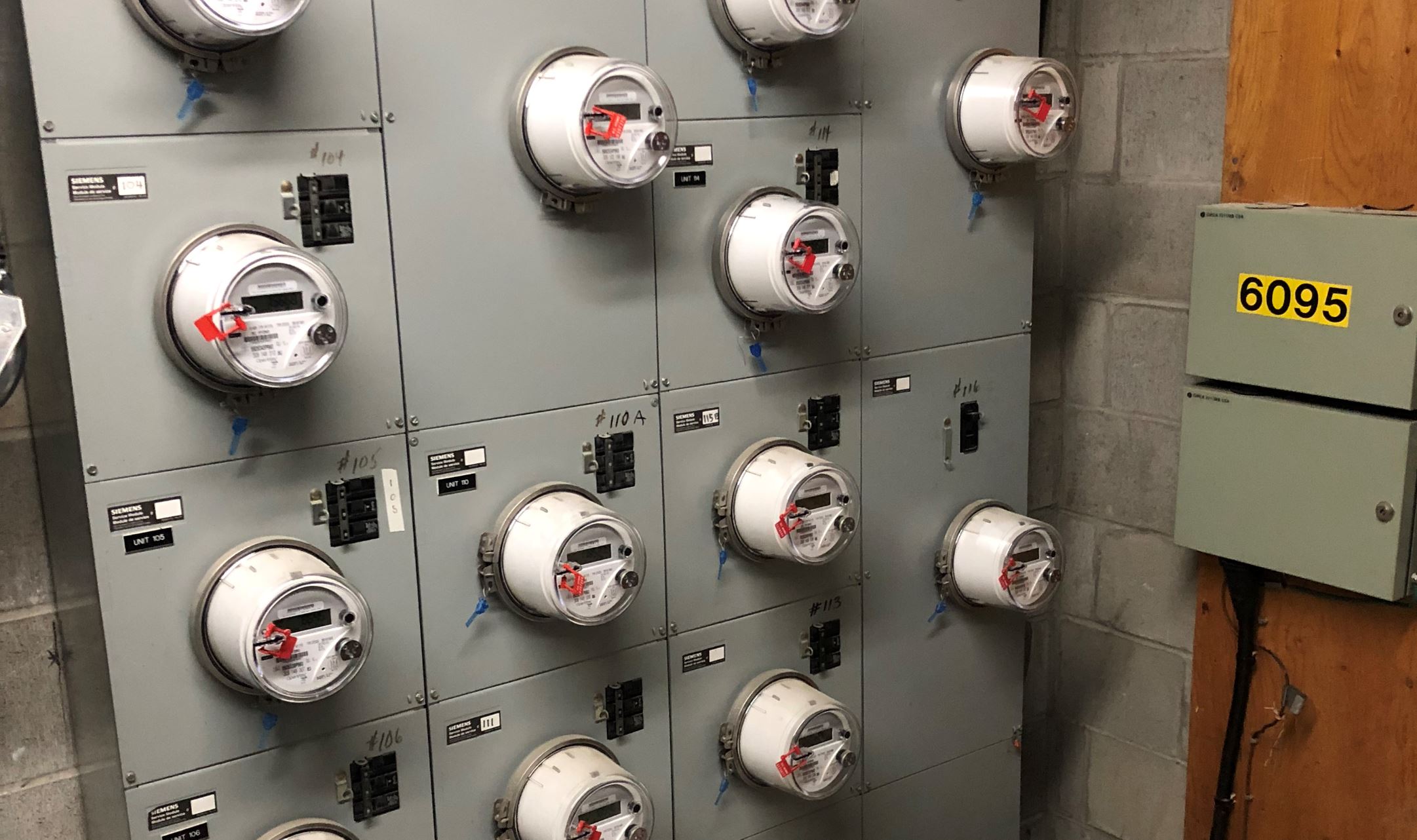
VT Engineering EVEMS installation in an electrical room

Welwyn Townhomes: a feasible path for constrained electrification.

Welwyn is the kind of existing townhouse environment Mesh was built for: 60 units across 9 buildings, 2 main electrical rooms, 3-storey construction, owner-by-owner demand, and a council that needed a practical path before committing to a large civil/electrical infrastructure project.

Site type
Vancouver townhouse strata
Constraint
2 electrical rooms and shared capacity
Mesh value
Wireless owner-by-owner rollout
What this shows

For similar townhouse complexes, the right first question is not "which charger network should we buy?" It is whether the building can approve a managed common layer and let owners opt in over time without depending on resident Wi-Fi, charger subscriptions, or new communications wiring across the site.
Where Mesh tends to fit.

These are not substitutes for real case studies. They are the patterns VT Engineering checks before recommending a site assessment or telling a building that Mesh is not the right path.

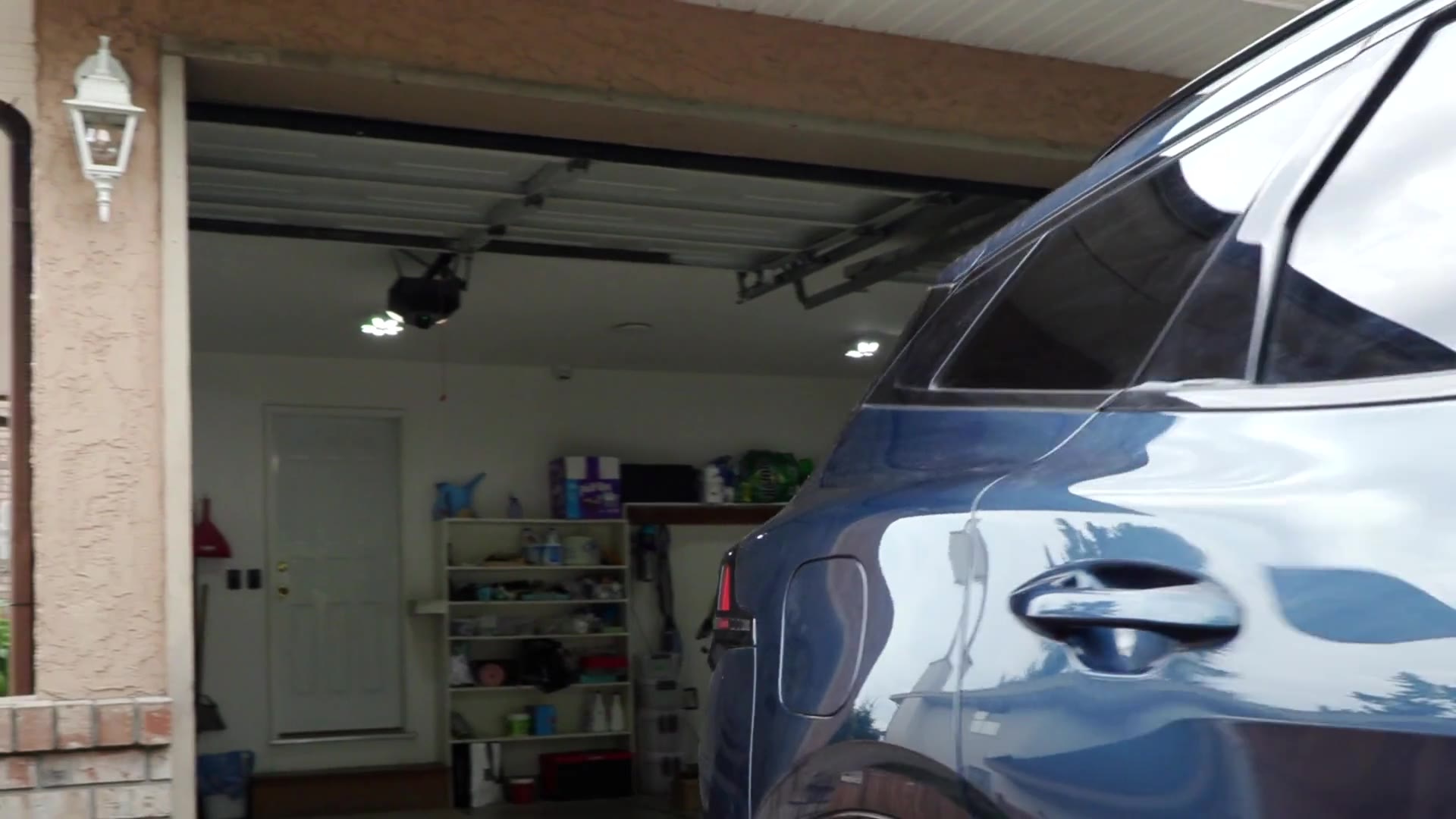
Townhouse strata with private garages or assigned stalls
Best fit

Townhouse strata with private garages or assigned stalls

The shared service entrance is the bottleneck, but each owner has a practical path to install their own EV charger and controller.

What we check
  • Service entrance CT access
  • Suite or stall panel monitoring point
  • Radio path from electrical room to owner equipment
Low-rise apartment buildings with constrained service capacity
Assessment required

Low-rise apartment buildings with constrained service capacity

Mesh can coordinate new EV loads where existing metering and distribution equipment can be monitored safely.

What we check
  • Meter stack and feeder layout
  • Parking stall ownership model
  • Common-area installation access
Existing buildings where trenching is the blocker
Strong use case

Existing buildings where trenching is the blocker

Long-range mesh radio can reduce communications cabling and parkade disruption compared with hardwired load-management networks.

What we check
  • Electrical-room controller location
  • Radio path through parkade and building structure
  • Installation phasing by owner demand
Projects planning EV charging and heat-pump electrification together
Planning use case

Projects planning EV charging and heat-pump electrification together

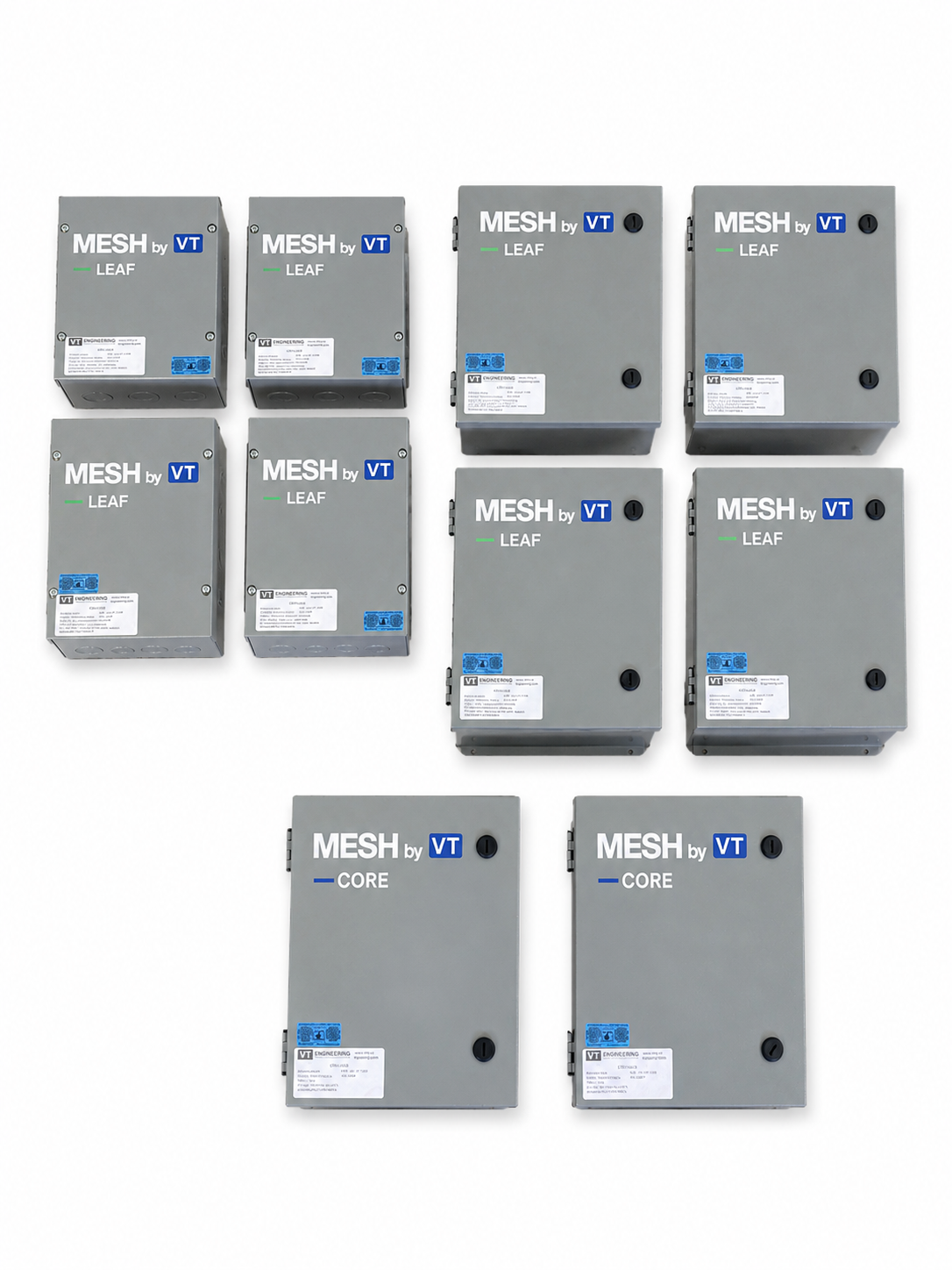
Mesh Leaf Dual supports two managed outputs, so EV charging and heat-pump or A/C control can be considered as part of one managed-capacity strategy.

What we check
  • EV load requirements
  • HVAC control method
  • Owner communication and staged rollout

The assessment should be willing to say no.

Some buildings need a service upgrade, a different ownership model, or more electrical work before EV charging can be added responsibly. A useful proposal should identify that early instead of selling a system into the wrong site.

VT Engineering drawing sheets

Send the building. We will tell you what to verify next.

Address, building type, unit or stall count, and current EV demand are enough to start the conversation.

Review my building