EV charging and heat pumps without a service upgrade.
Give your strata a fair path for EV chargers, heat pumps, and other owner-added electrical loads without one-off approvals or starting with a utility service upgrade.
Council approves the common building layer once.
Residents add their own Leaf and charger when ready.
Local load control works without a charger-network subscription.
Designed and built by VT Engineering, with professional engineering, safety, and product-compliance context for Canadian strata deployments.





monthly Mesh subscription fees
building layer council can approve
approved panel context
engineering-led assessment and install support
A building load-management system, not another charger subscription.
Mesh sits between your existing electrical service and future owner-added loads — EV chargers today, heat pumps and other flexible loads next. The Mesh Core monitors each approved service entrance. Each Mesh Leaf manages one owner load. The safety function runs locally over long-range mesh radio, without depending on a charger cloud.
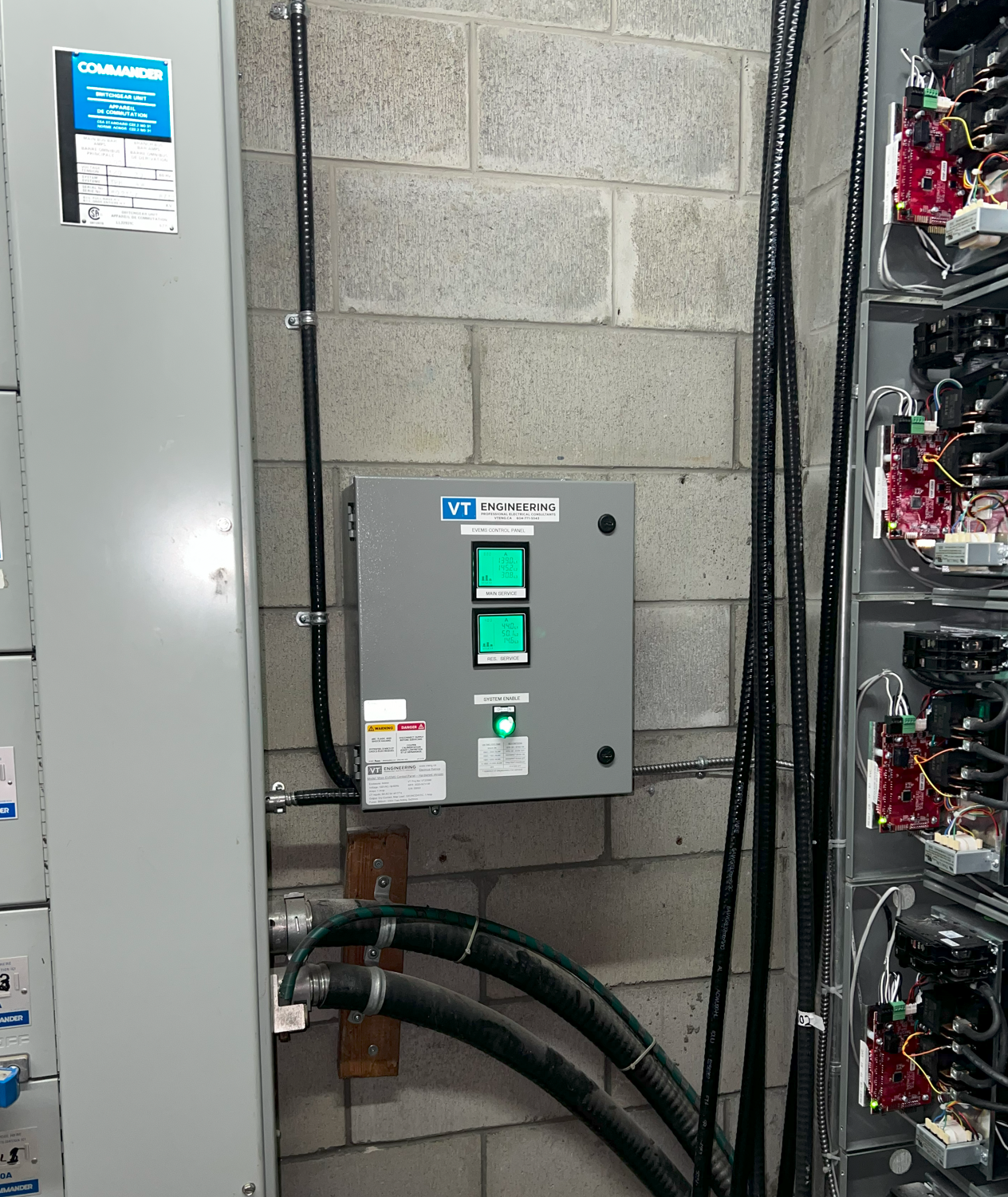
Real VT Engineering EVEMS installation beside building electrical equipment.
A board-ready package before anyone votes.
Mesh should make the decision easier for council, property managers, and owners. The first useful output is not a sales call. It is a clear feasibility package the building can circulate internally.
Feasibility assessment and no-fit recommendation if needed
Vote-ready scope for council and property managers
Strata-paid Core / owner-paid Leaf rollout model
Cost comparison against service-upgrade alternatives
Owner FAQ and council-forwardable summary
Next step: quote, AGM package, or site review
Designed so council can say yes once.
The hardest part of strata EV charging is not the charger. It is deciding who pays, who benefits, and how the next owner request gets handled. Mesh separates the common building layer from individual owner equipment.
Council approves the Core
One building assessment, one scope, one vote-ready quote for the common infrastructure.
Residents opt in later
Owners who want charging arrange their own Leaf, charger, and stall installation. Others do not have to buy a charger.
Mesh protects the building
Charging is coordinated under the building limit as more residents join over time.
Owners who want charging pay for it
The common layer enables access; individual owners pay for their own Leaf, charger, and stall work.
Owners who wait still benefit
The building gains a repeatable path for future EV charger, heat-pump, and managed-load requests, plus a better resale story for every unit.
Council avoids one-off exceptions
A single policy and technical approach replaces ad hoc charger approvals as demand grows.
Core for each service entrance. Leaf for each stall.
Strata buys the common control layer. Residents buy their own stall device when they need it. That keeps the first vote smaller and keeps future owner-load requests routine.
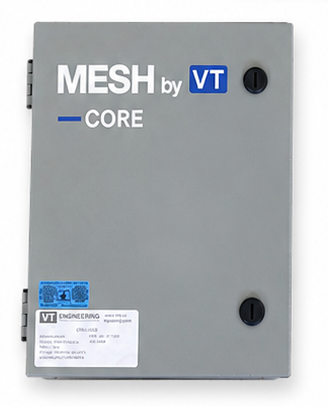
Mesh Core
Controller installed at a service entrance or electrical room. It watches available capacity and coordinates all active Leaf units.
View cut sheet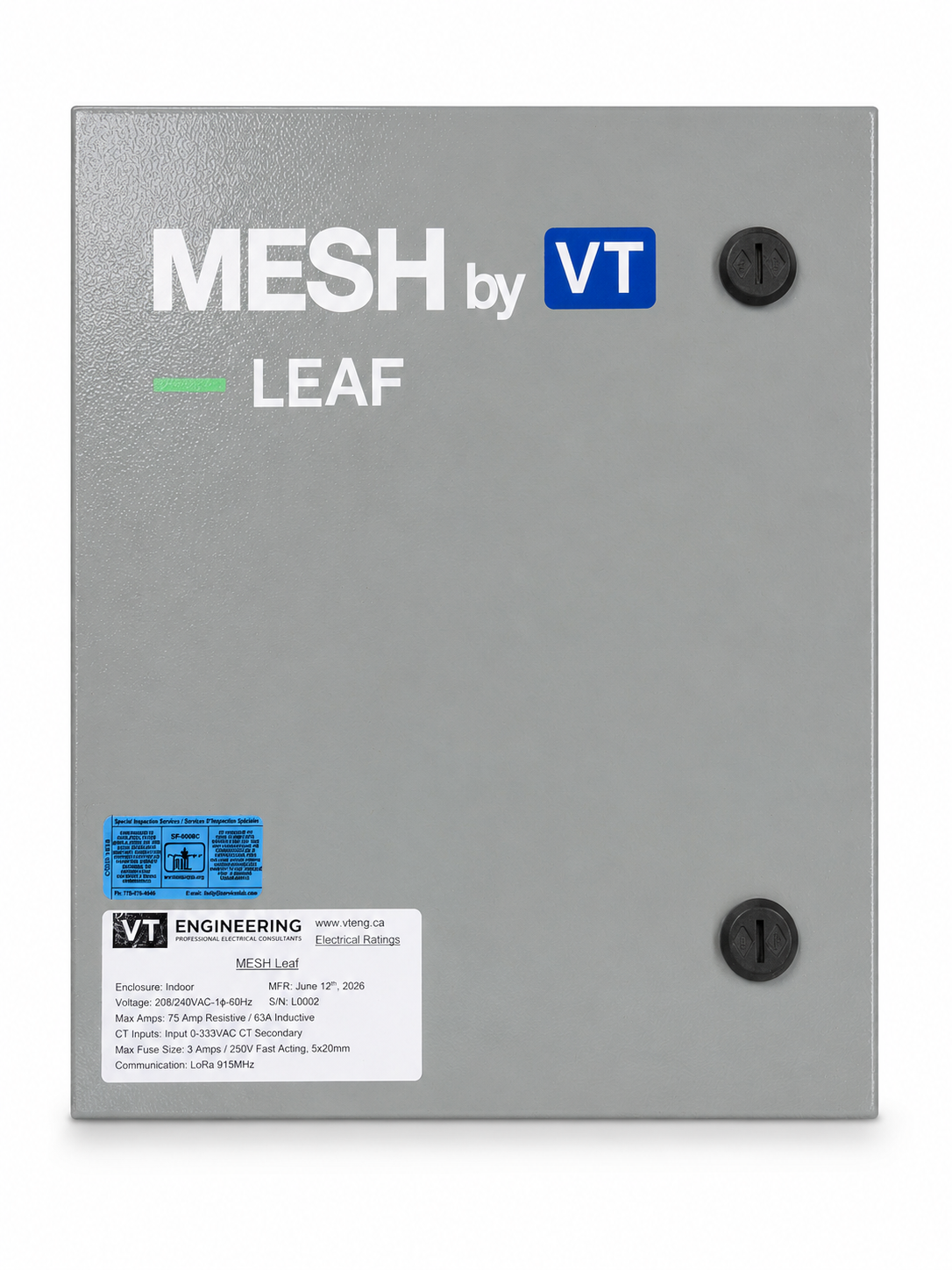
Mesh Leaf
Stall-level controller installed with a resident charger. It receives local commands from the Core and adjusts charging safely.
View cut sheet Mesh Leaf Dual
Stall-level controller for two managed loads. It applies Core commands to an EV charger and a heat pump on independent outputs.
View cut sheet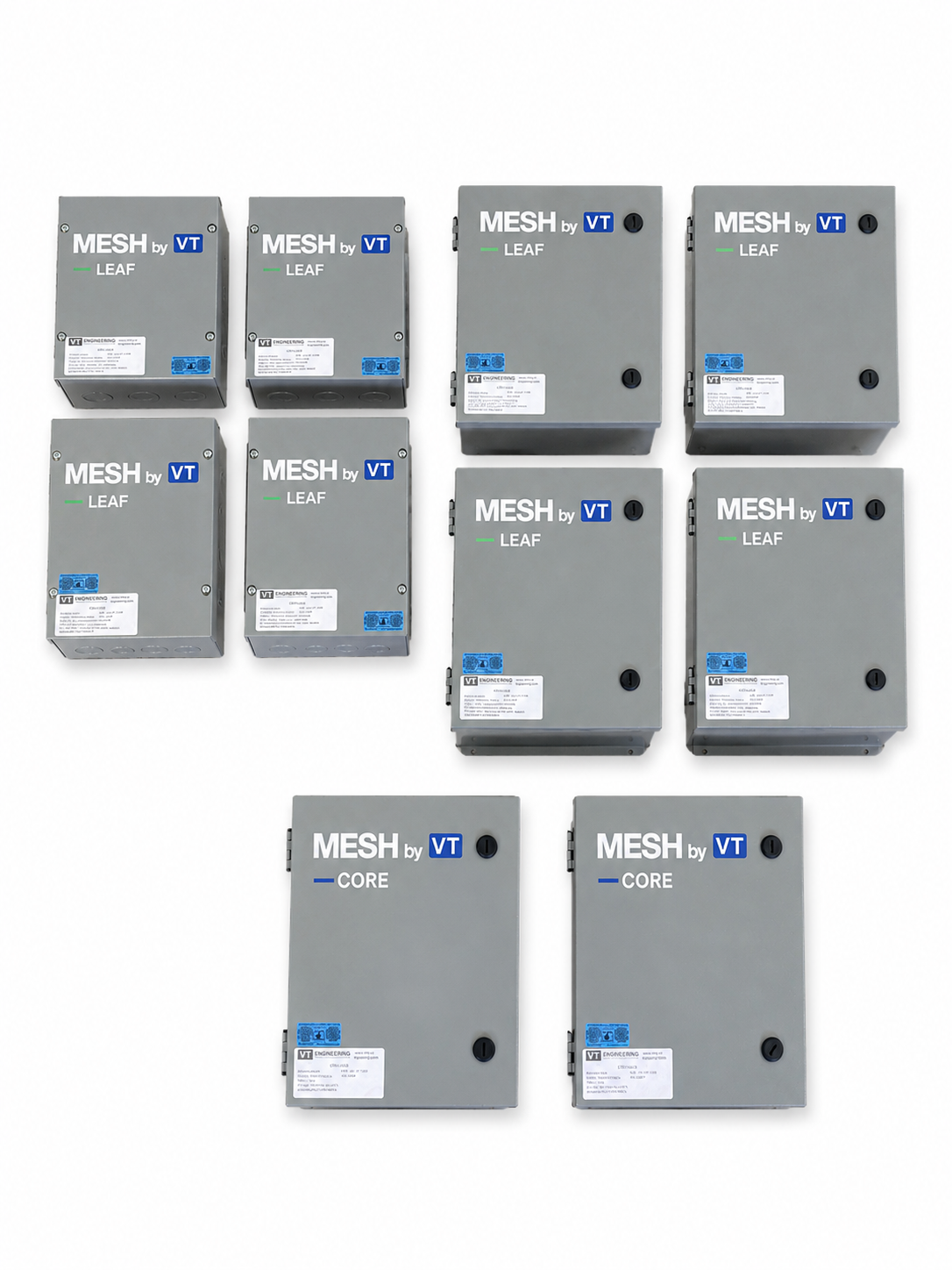
A site assessment should make the vote easier, not harder.
Councils need a practical package: what is being installed, what residents pay later, what electrical constraints were checked, and what happens if the building is not a fit.

Electrical-room review and service-monitoring approach
Recommended Mesh Core locations and installation constraints
Owner rollout plan for Leaf units, chargers, and future requests
Council-ready comparison against a service upgrade path
Rebate and documentation checklist based on current programs
Clear next step: quote, AGM package, or no-fit recommendation
Answer the objections before the meeting.
"Will everyone pay for my charger?"
No. The building approves the Core. Individual owners pay for their own Leaf, charger, and stall work.
"Will charging trip the building?"
Mesh measures building demand and turns chargers down before the service limit becomes a problem.
"Do we need a giant construction project?"
For suitable buildings, the Core installs in the electrical room and avoids parkade trenching for the building layer.
"Are we locked into a charging network?"
No. Mesh is the local load-management layer. Residents can choose common Level 2 EV chargers instead of joining a proprietary charging network.
Start where you are.
Strata councils
Get a vote-ready assessment, scope, and cost comparison before owners are asked to decide on EV chargers, heat pumps, or other managed loads.
Plan the council voteResidents
Understand what you buy, who installs it, and how charging works after your building is approved.
Get a charger in my stallProperty managers
Give council a practical path: site visit, AGM package, install coordination, and resident rollout.
See the rollout model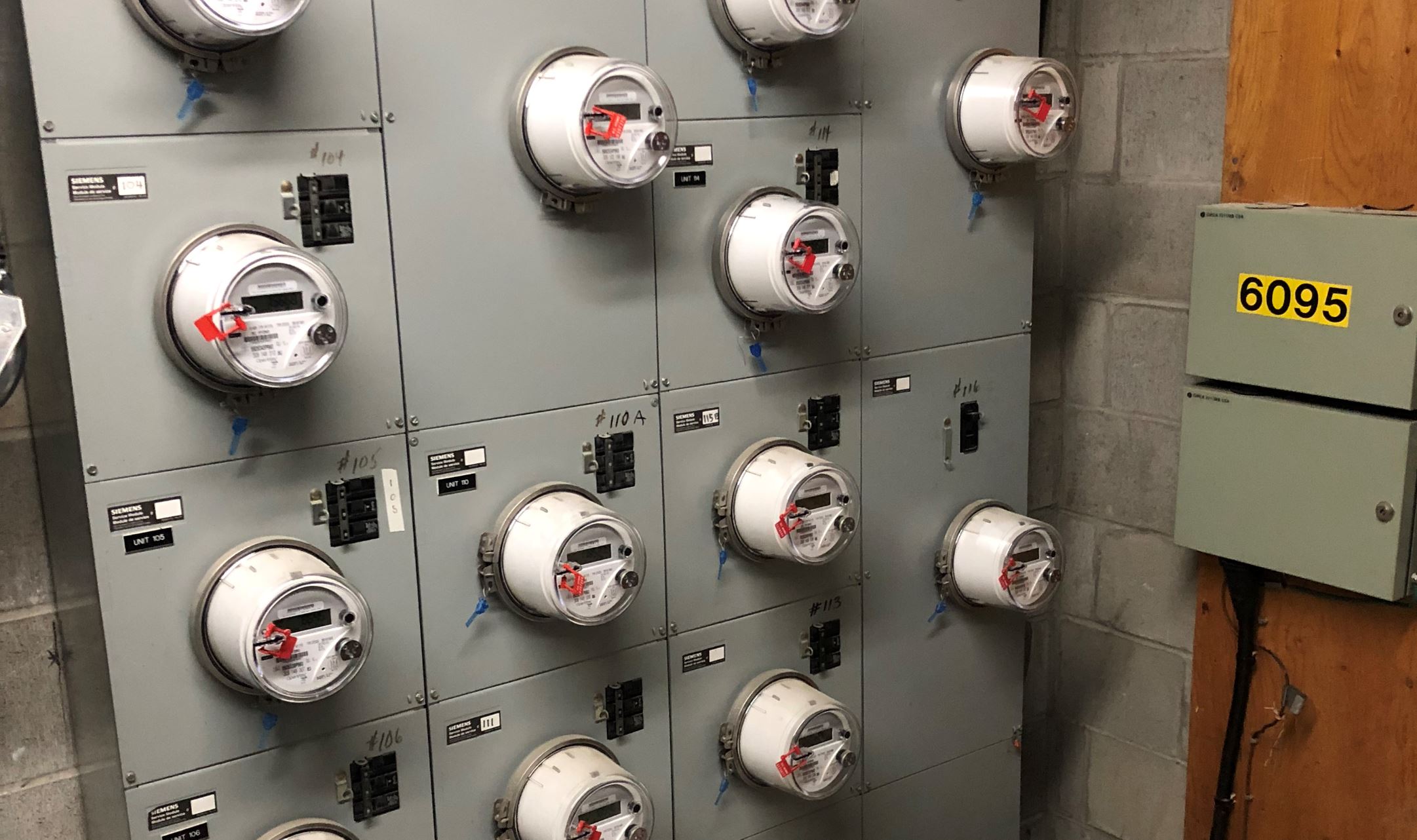
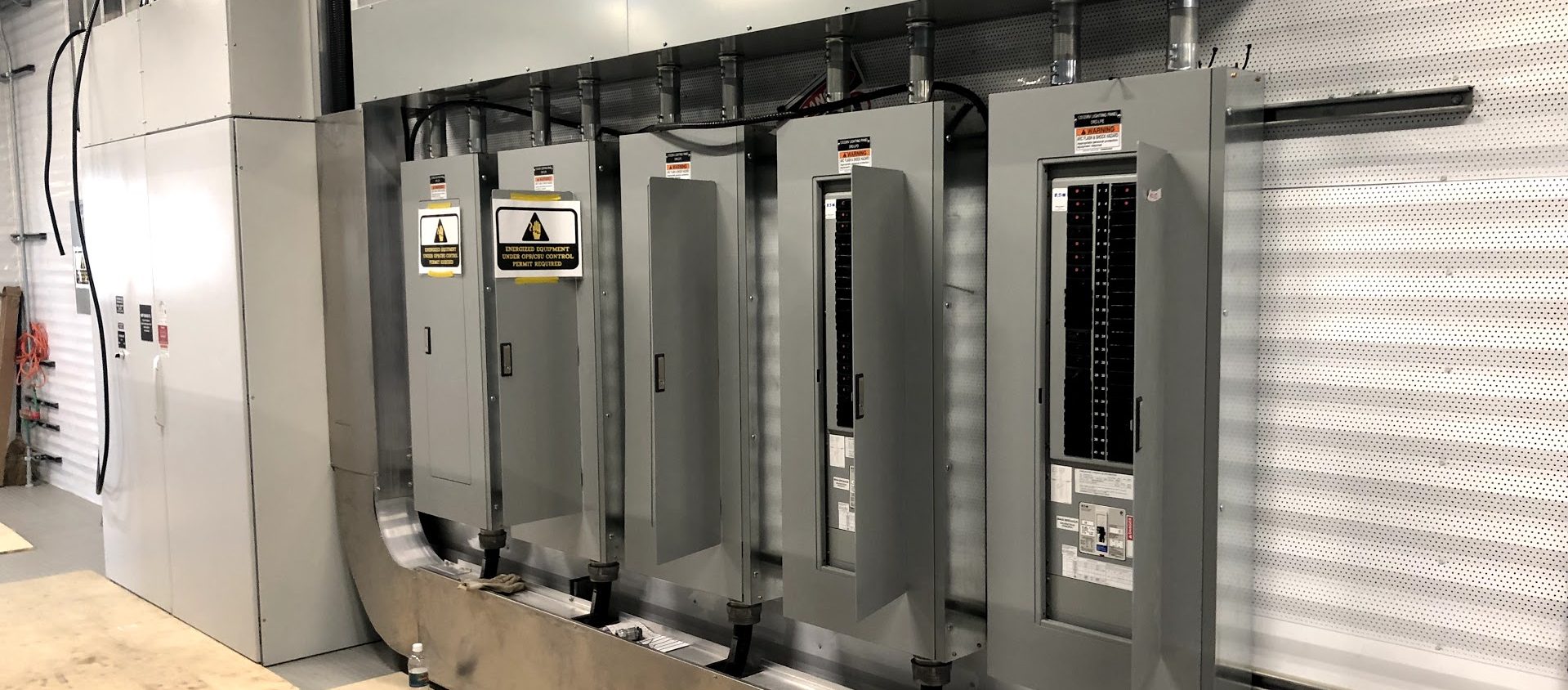
Built for existing electrical rooms.
Mesh is sold by VT Engineering because the hard work is the building assessment: service capacity, CT access, switchgear constraints, radio path, resident rollout, permitting, and documentation. If your building is not a good fit, the assessment should say that plainly.
Review your building for managed loads.
Send the address, building type, stall count, and where council is in the decision process. We will tell you what to check next and whether a site review makes sense.